
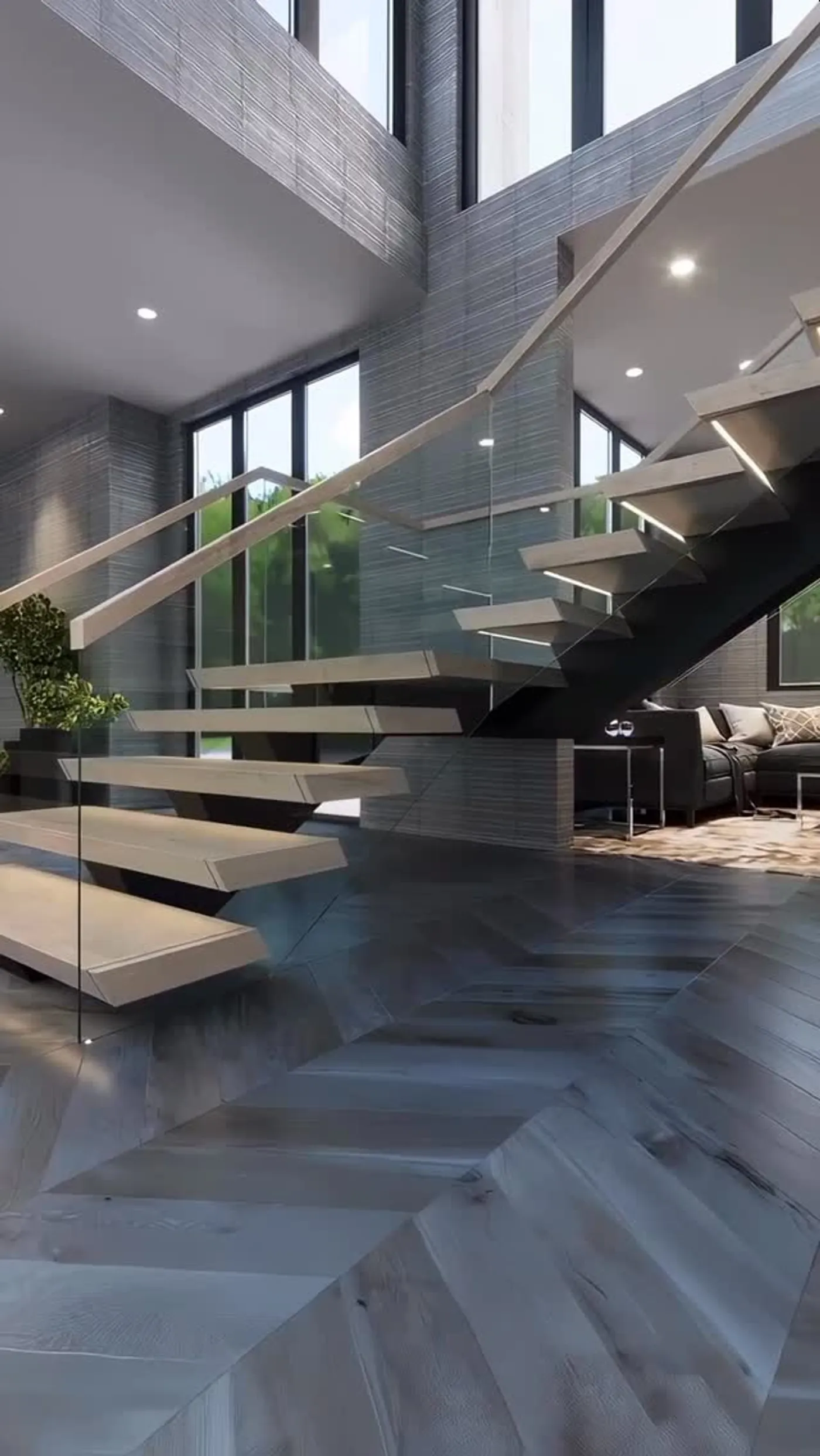
Exterior Freeze-Thaw Floating Entryways in Toronto, ON
Exterior floating stair entryways engineered for Toronto's freeze-thaw cycles, snow loading, and year-round exposure. Galvanized structural steel, weather-rated finishes, and OBC-compliant design.
Toronto Floating Stairs designs and installs exterior floating stair entryways in Toronto, ON — engineered specifically for Ontario's climate conditions, not adapted from interior floating stair specs.
Exterior floating stairs in Toronto face conditions that interior systems never encounter. Freeze-thaw cycles in the GTA create ground movement and expansion stress that will crack masonry anchors and loosen bracket connections if the foundation and fastening strategy isn't designed for it. Snow loads under OBC requirements for Toronto are significantly higher than most residential framing calculations. Salt exposure from road and driveway deicing attacks bare steel connections within a single season.
We design exterior floating entryways with all of these factors integrated from the start. Structural steel is hot-dip galvanized before powder coating, not just primer-coated or painted. Fasteners are specified in stainless steel or hot-dip galvanized at every point where salt exposure is possible. Tread materials are chosen for freeze-thaw resistance — ipe, composite, aluminum grating, or stone — rather than interior hardwoods that will check and delaminate outdoors.
Anchoring into Toronto residential foundations is different from interior wall anchorage. We assess the existing foundation material — poured concrete, block, brick — and spec the appropriate fastener system and anchor depth for the actual dead and live loads plus snow, not just the minimum code requirements.
Exterior tread materials for Toronto climate
Ipe (Brazilian hardwood) performs well in Toronto's climate with proper detailing — it's naturally dense, resists moisture, and holds fasteners without splitting. Aluminum bar grating allows snow and water to drain through rather than accumulate, reducing ice buildup and snow load. Composite decking boards are a lower-maintenance option with good freeze-thaw resistance. Natural stone treads — granite and bluestone — are used for formal entryways where durability and aesthetics are both priorities.
Guard rail requirements for Toronto exterior stairs
OBC Part 9 requires guards on any stair with a drop of more than 600mm to adjacent grade. For exterior floating stairs, guard post connections to the stringer must be specified for both vertical and horizontal loads per OBC requirements. We design the guard connection details as part of the structural engineering package, not as a separate field decision.
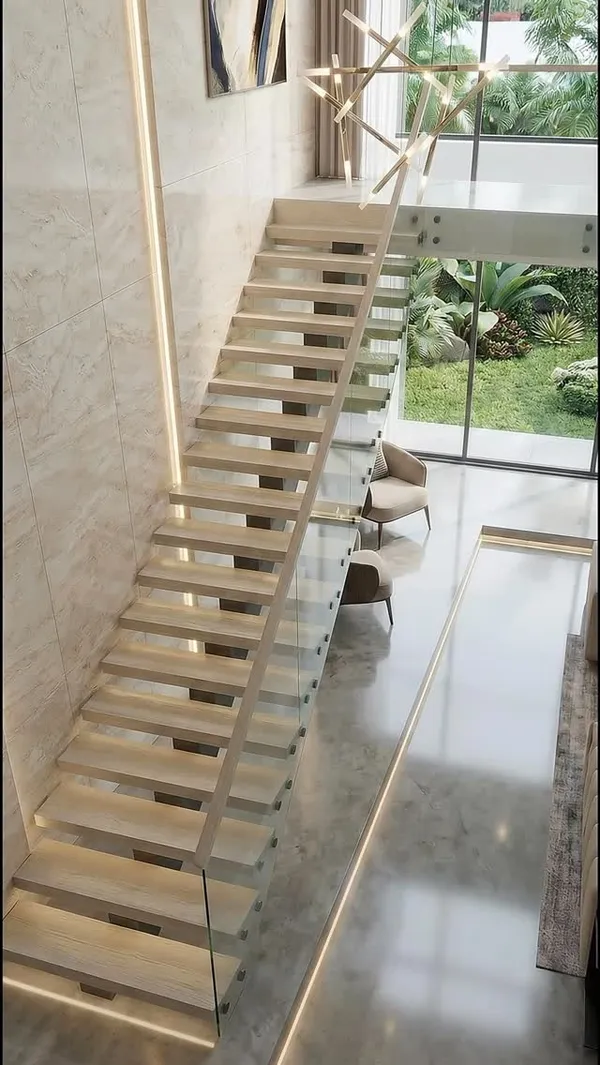
Design an exterior entryway for your Toronto home
Project review first. If field verification is required, we assess the foundation, grade conditions, and snow exposure before recommending materials and anchor strategy.
- ✓ Hot-dip galvanized structural steel
- ✓ Stainless steel fasteners throughout
- ✓ Freeze-thaw rated tread materials
- ✓ OBC snow load engineering
- ✓ Drainage-integrated tread design
Frequently Asked Questions
How do exterior floating stairs handle Toronto winters? +
Do exterior floating stairs in Toronto need a building permit? +
What's the best tread material for Toronto exterior floating stairs? +
Can exterior floating stairs be heated to prevent ice buildup? +
How are exterior floating stairs anchored to a Toronto brick foundation? +
Ready to install an exterior floating entryway in Toronto?
Site assessment. Engineered for Toronto winters from day one.